The Difference Between Film and Television Concepts by Daniel Calvisi
Dear Screenwriter,
You may come up with a cool idea for a movie and be told that it would make a better TV series, or you may create a concept for a TV series and be told it’s more fit for the big screen. How do you tell the difference between a concept that works best as a Feature versus a TV pilot/series?
FEATURE FILM
Film is pretty simple: it is a complete story with a closed ending. Unless you’re writing the first part of a trilogy (which I do not recommend, unless you happen to have procured the rights to a best-selling book series), the ending wraps up your compelling tale which (hopefully) had a beginning, middle and end. It can be a happy or sad ending, but that particular narrative has reached a closing point. You’ve exhausted the concept and we, the Reader or Audience, are satisfied. Fade out.
95% of the time, a feature script/film is going to use the “classical” 4-Act structure (Act One, Act Two-A, Act Two-B and Act Three.). Even if the story is told in a non-linear way, it should ideally fit into this meta-structure. My Story Map structure fits ably into this form, and you can learn much more about it in my books and webinars.
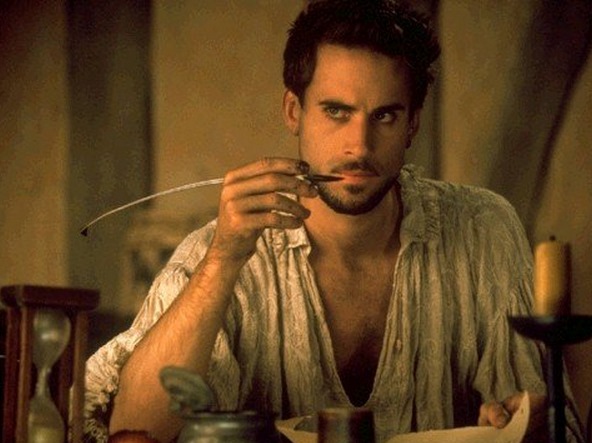
The idea for a feature film should be able to be expressed in a logline, which is a one-line snapshot of the unique dramatic situation in approximately 20-30 words. A feature film logline should suggest a stand-alone story, rather than an ongoing saga. Here are three loglines for famous films: